RailLink: Incentivizing a Greener Future
VISUAL DESIGN
UX RESEARCH
Systems design
CLIENT
RSA
Role
Lead UX Designer
Team size
4 Multi-disciplinary members
Timeline
2 months (2022)
Tools
Figma, FigJam, Illustrator

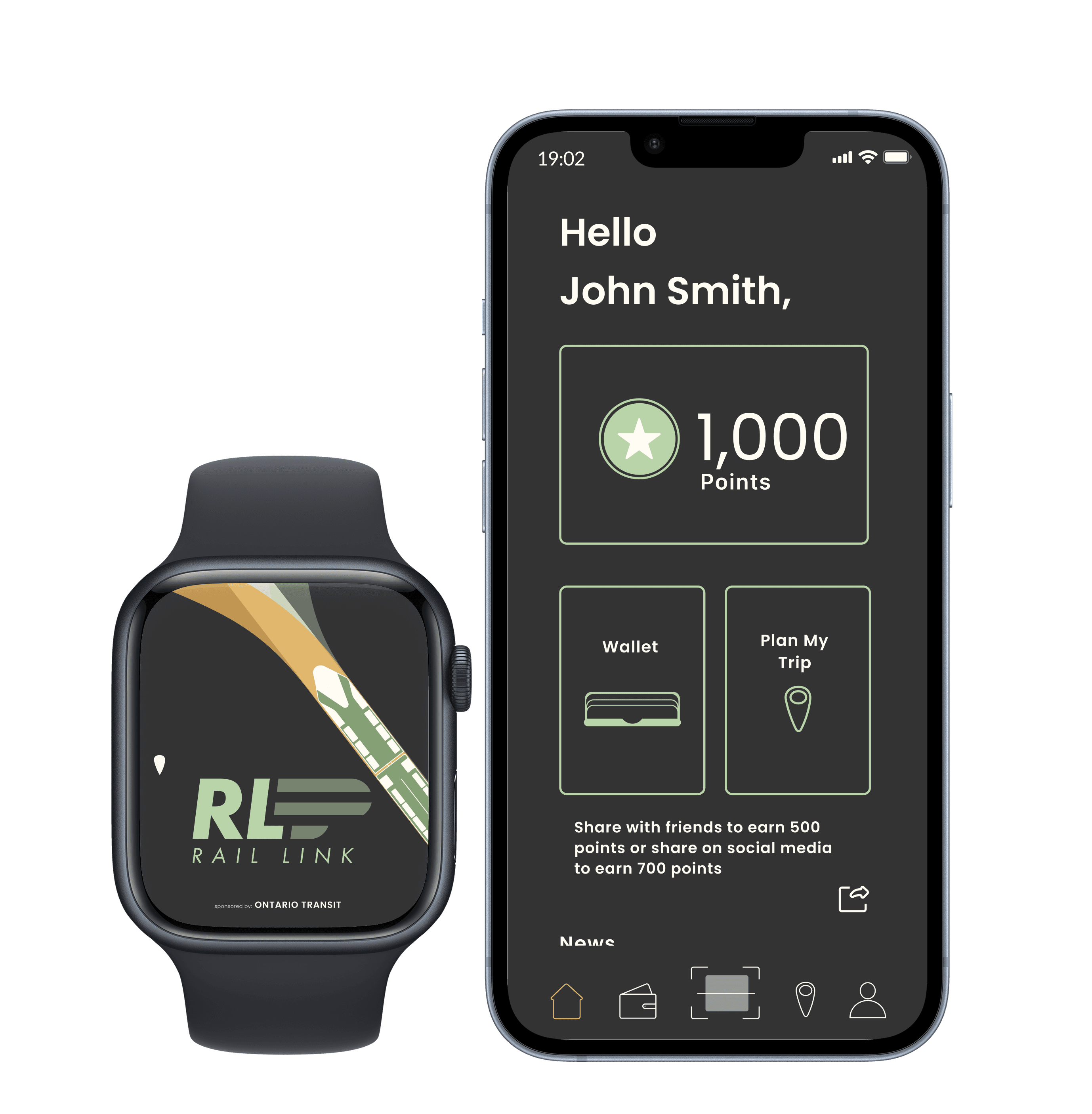
Overview
Rail Link is a digital ecosystem designed to revitalize public transit by turning the daily commute into a rewarding experience. Working within the RSA Signaling Change framework, I designed a points-based incentive system that bridges the gap between environmental goals and user behavior.
The Challenge: How might we transform train stations into spaces that amplify community connection and influence positive environmental behavior?
My contribution:
My role as a ux/ui designer was to translate complex psychological needs into a seamless, low-friction digital experience.
end-to-end product design: Led the transition from initial concept to a high-fidelity interactive prototype for a transit solution.
User-centric research: Executed 5 user interviews and usability testing that identified 4+ critical pain points in the existing commuter journey.
Prototyping: Designed low and high-fidelity wireframes in Figma, focusing on reducing "time-to-task" for users searching for live rail updates.
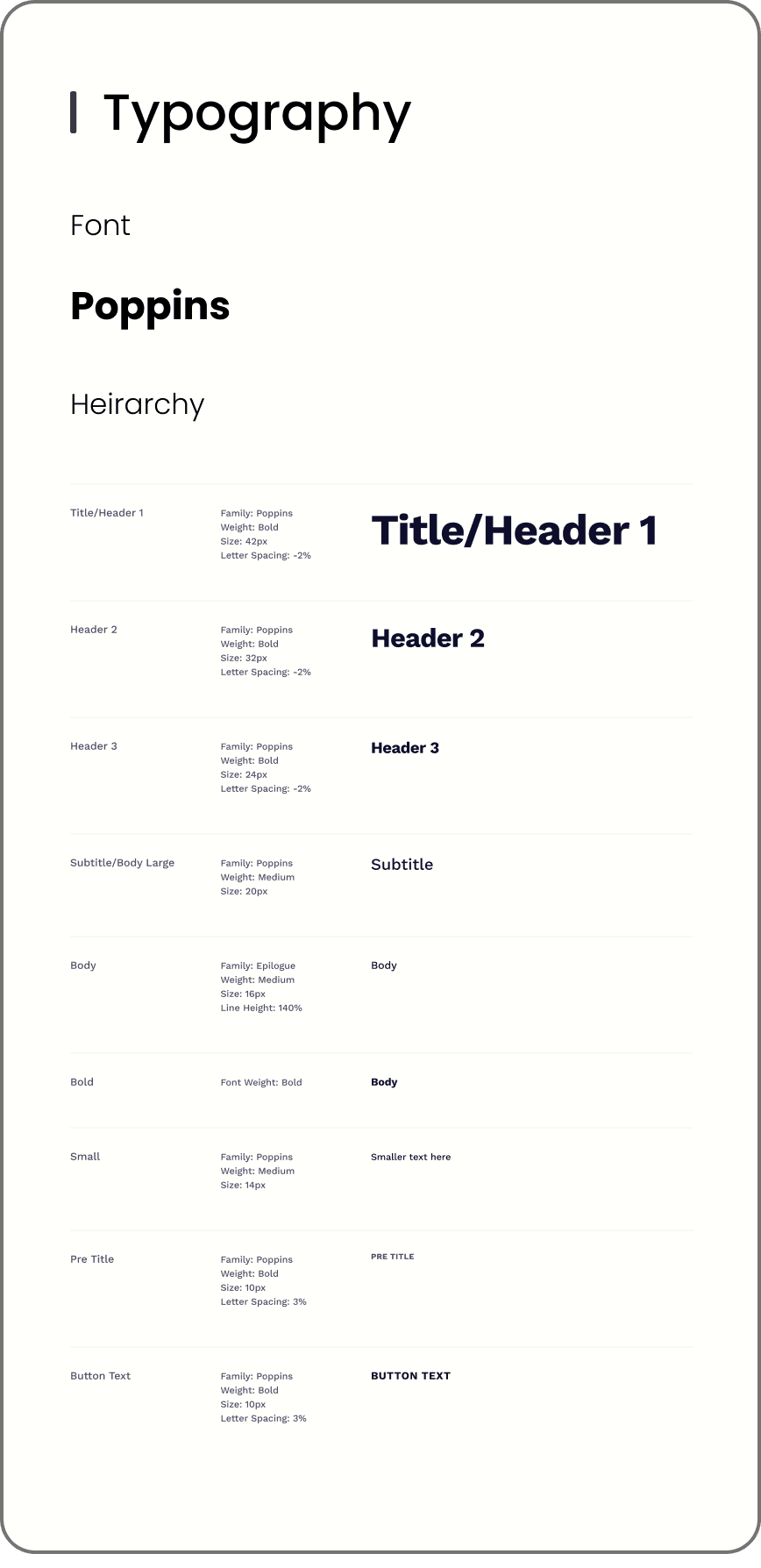
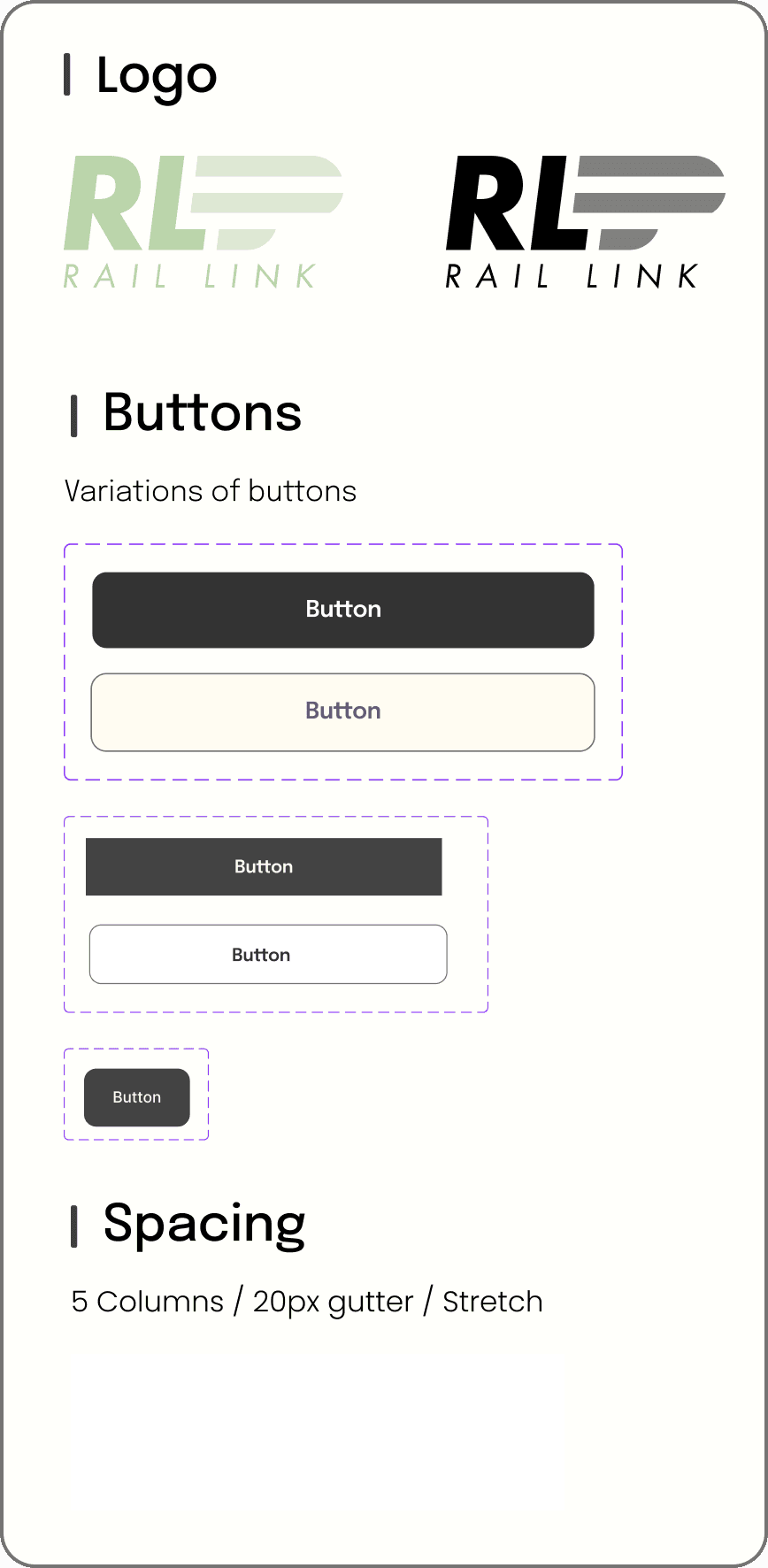
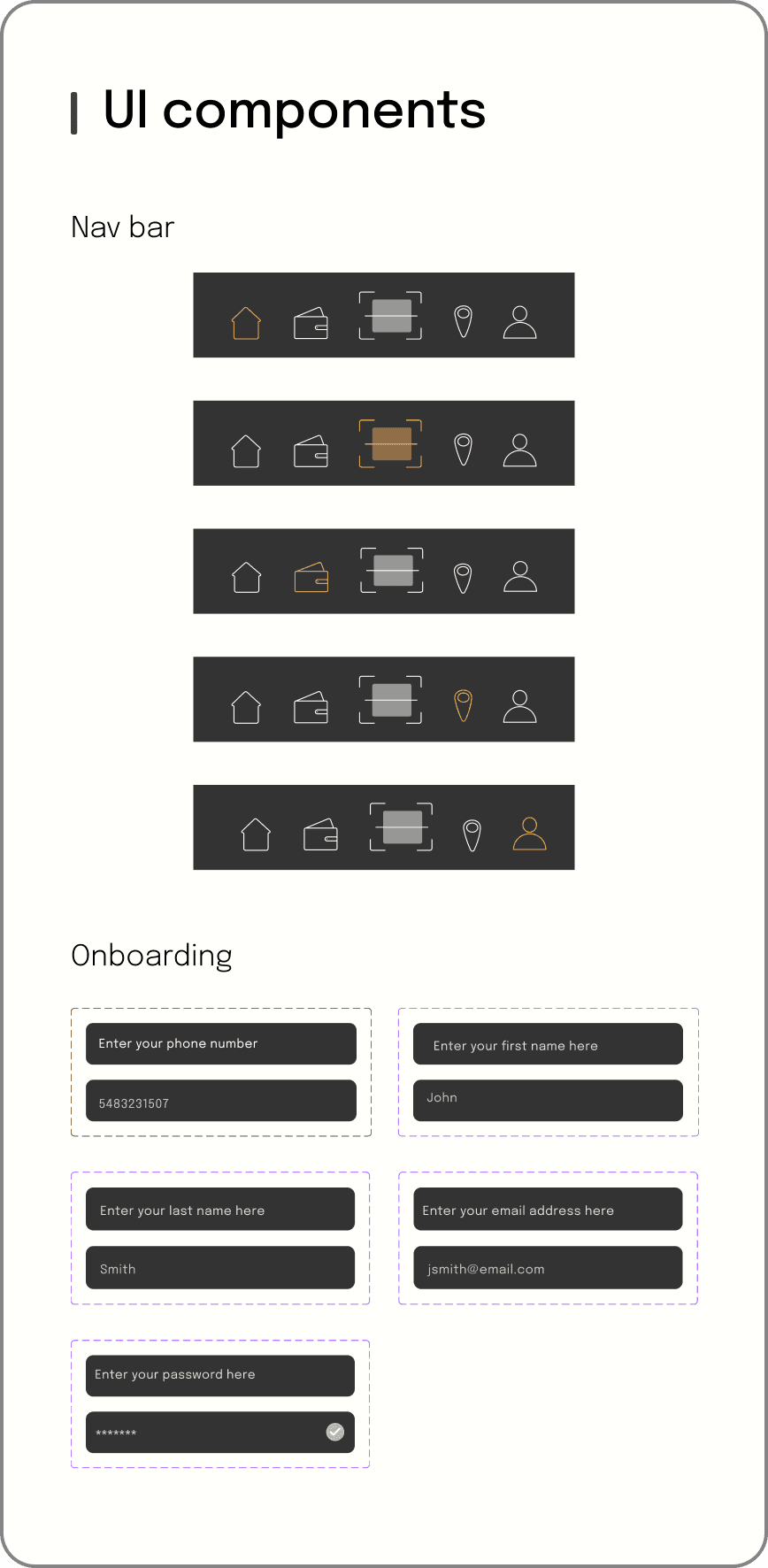
Visual systems: Established a cohesive UI kit including typography, iconography, and a mobile-first grid system.
Reimagining the Modern Commute
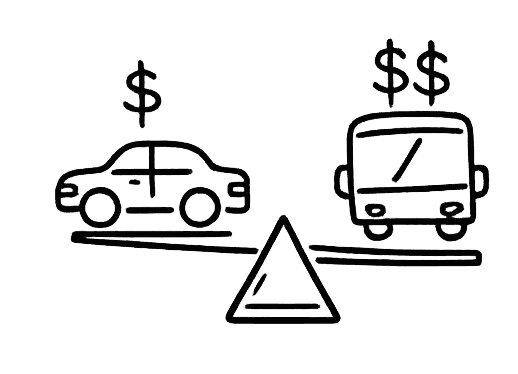
Rail Link was born from a critical challenge: the underutilization of rail networks. While public transit is a vital economic and environmental artery, logistical friction and a lack of motivation often push commuters toward cars spending $6000-$13000 per year.
Why 87% of the market is waiting for a better way…
We didn't just guess why people don't take the train; we looked at the data. Our research uncovered a jarring reality: people want to be green, but they don't know how much they are currently hurting the planet.
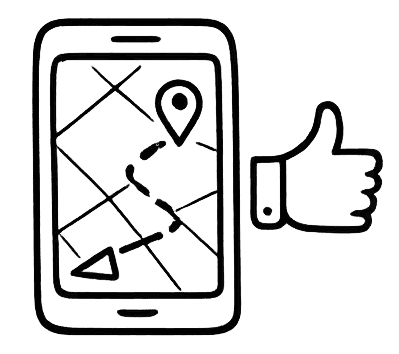
87.5%
of users expressed a high demand for app-based navigation that simplifies their journey.
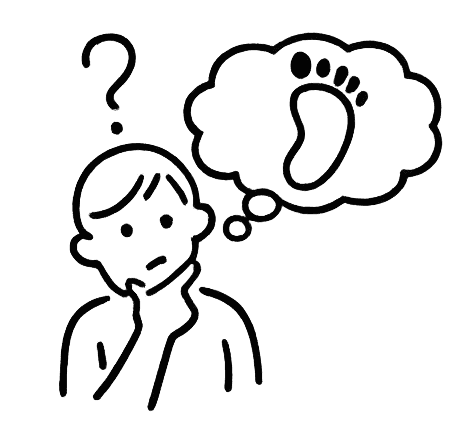
62.5%
of users are unaware of their personal carbon footprint
Current incentive gaps:
So we asked ourselves,
How might we encourage more people to use rail travel by making the experience rewarding, educational, and effortless?

How do we reward a choice that usually feels like a sacrifice?
To design a solution that sticks, I focused on Alex, an urban professional. She wants to be eco-friendly, but she feels like going green is "extra effort" that isn't rewarded.
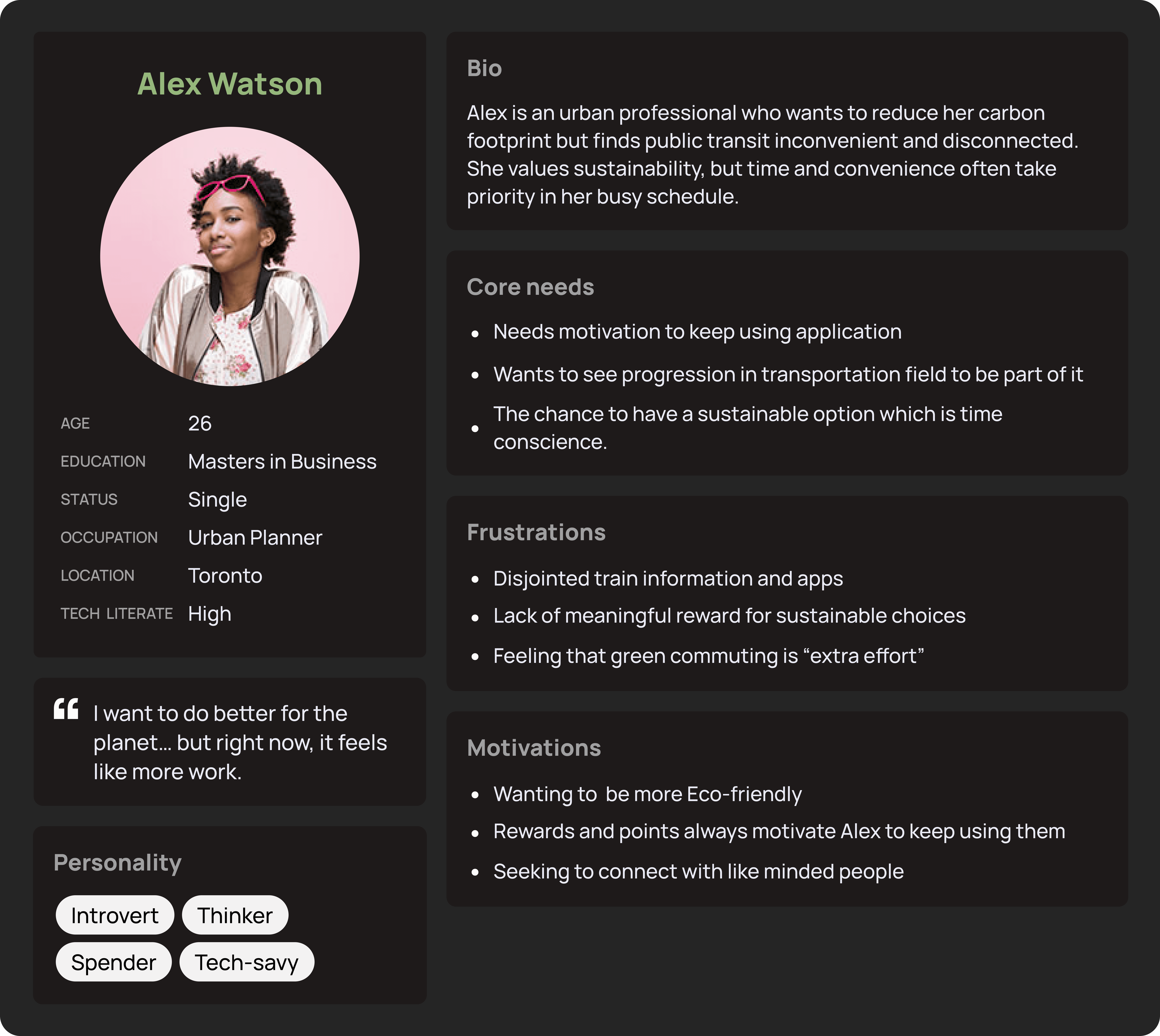
The Insight: Alex doesn't just need a map; she needs a reason to care. She needs to see the impact of her choices in real-time.
Introducing Rail Link: What if your commute earned you more than just a ride?
To turn Alex's "extra effort" into a rewarding habit, I designed Rail Link as a points-based incentive program. By introducing a feedback loop of rewards, we align the user's daily commute with the RSA's innovative goals. Rail Link has three core pillars:
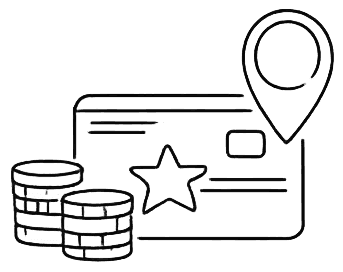
Points for usage: Earn points for every mile, redeemable for free rides
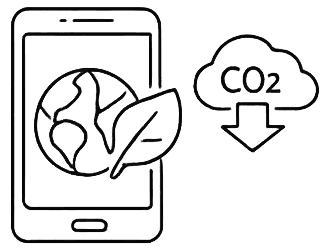
Environmental feedback: Real-time tracking of carbon emissions saved
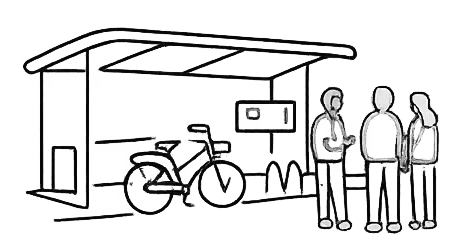
Station engagement: Incentivizing visits to foster community
User testing & feedback
I conducted usability sessions along with my peers to evaluate:
Clarity of navigation and scanning flow
Messaging tone and emotional engagement
Accessibility for quick, on-the-go use
What we improved on:
Some icons were ambiguous and were redesigned for clarity.
Added a more visible progress tracker for points.
Adjusted color contrasts to improve legibility in sunlight.
Lo-fi wireframes

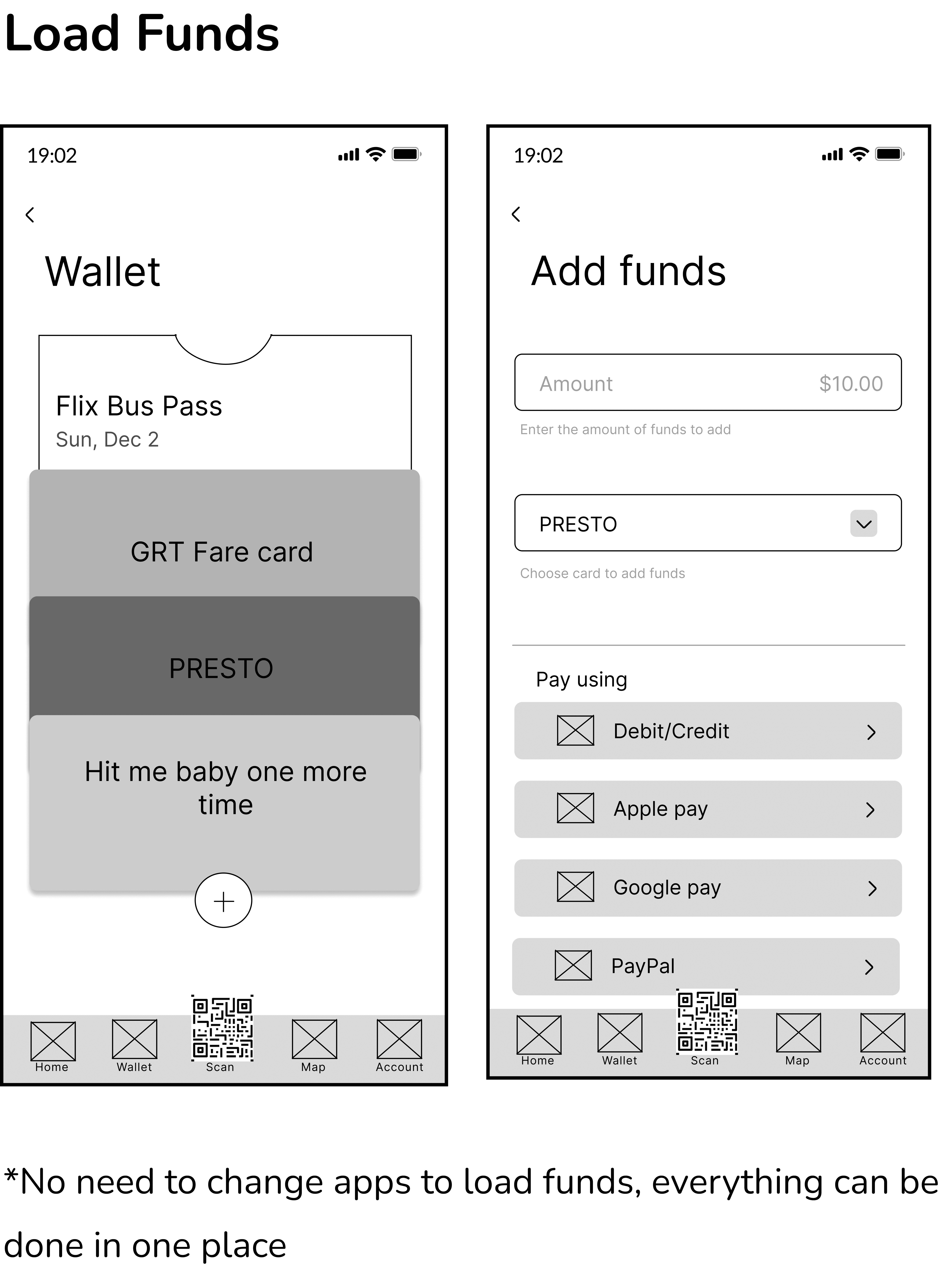
After feature mapping and creating a persona, we began with jotting down features & Crazy 8s sketching, generating quick iterations of layouts. The goal was to create simple, modular designs that communicate function instantly.
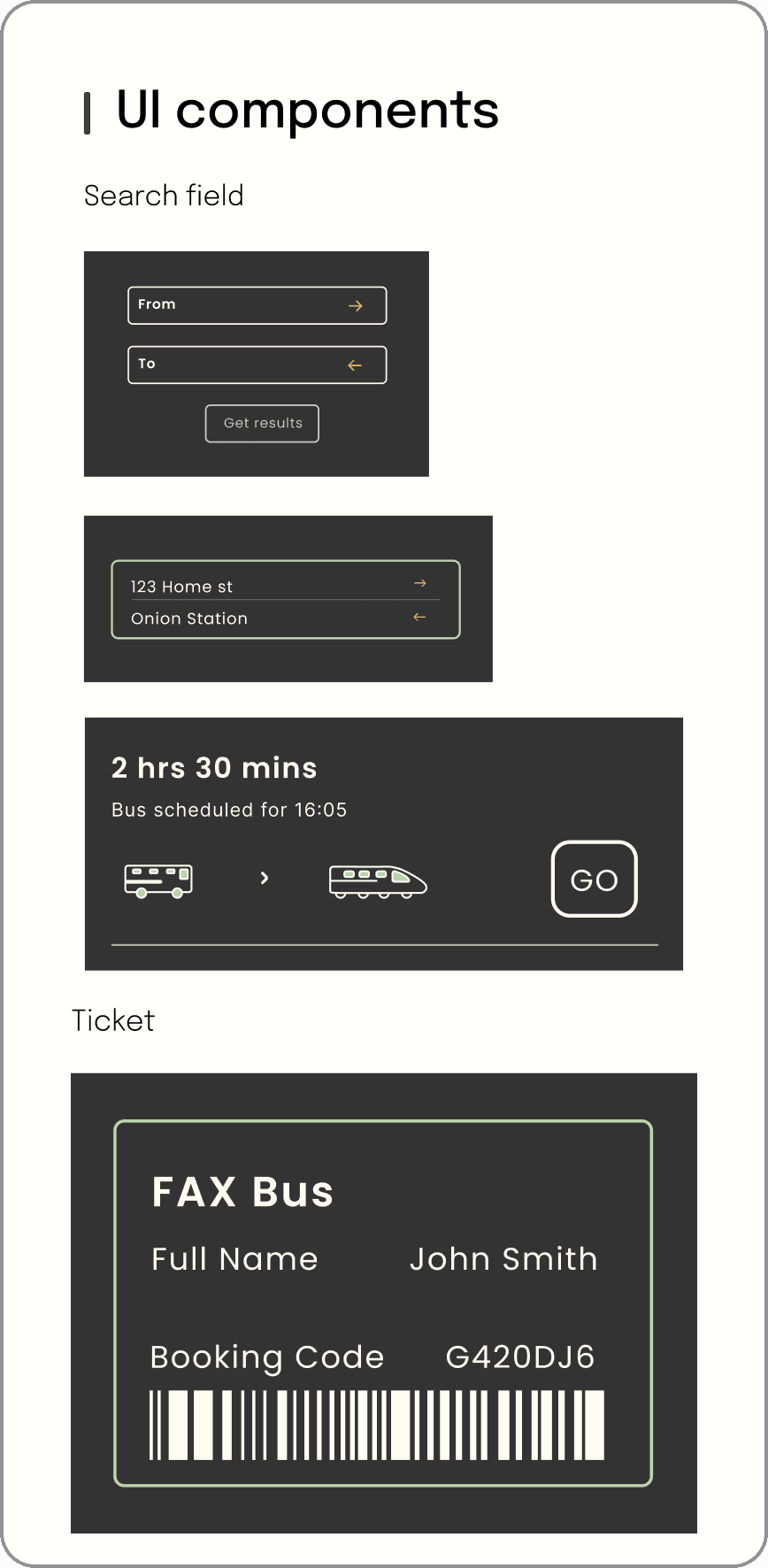
Systemizing the experience
I built a visual language that moves as fast as the user. The goal was to replace "industrial" transit visuals with an optimistic, tech-forward identity.
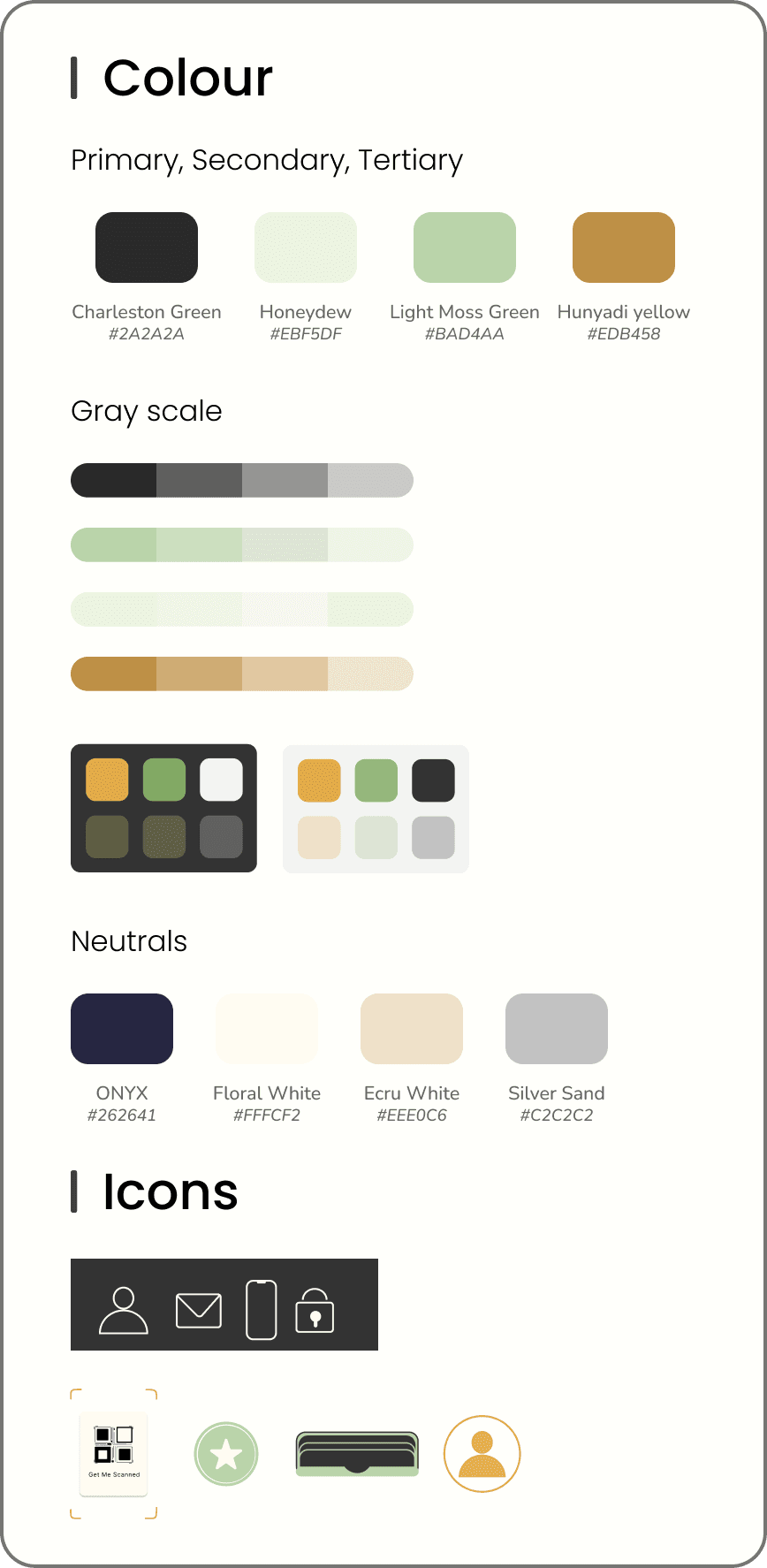
Color Strategy: I paired Forest Green (Sustainability) with Safety Orange (Visibility). The orange ensures "Call-to-Action" buttons are glanceable in high-traffic, low-light stations.
Custom Iconography: I designed unique assets to maintain brand consistency.
The Train Icon: A streamlined, forward-leaning glyph used for live-tracking to symbolize momentum.
The Wallet Icon: A custom-built "Points Wallet" that merges a standard wallet with a "growth" spark to represent earned impact.
Business potential
To build a baseline of users, I proposed a strategy focused on one message: you are rewarded for activities you already conduct. Here's a glimpse of wha tthe marketing posters could look like:
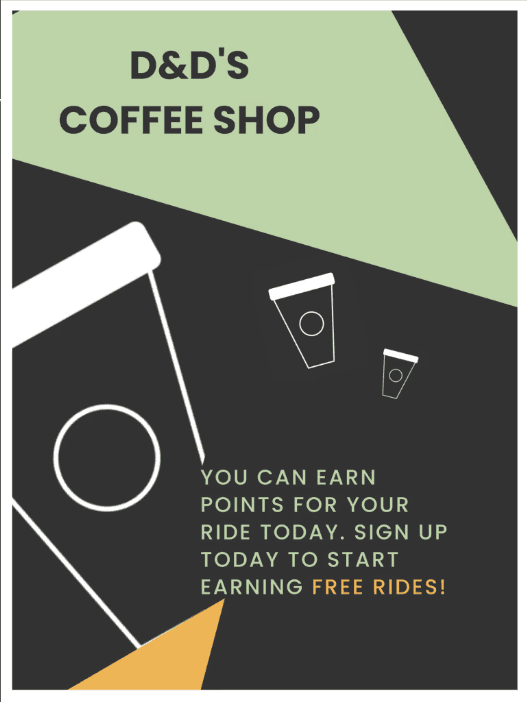
Digital Momentum: social media campaigns with time-limited sign-up bonuses to encourage early adoption.
Contextual Ads: advertisements for pay stations that state: "You can earn points for your ride today".
Physical Touchpoints: commercial booths at major transit hubs to drive immediate, on-site sign-ups.
A triple win for the urban transit
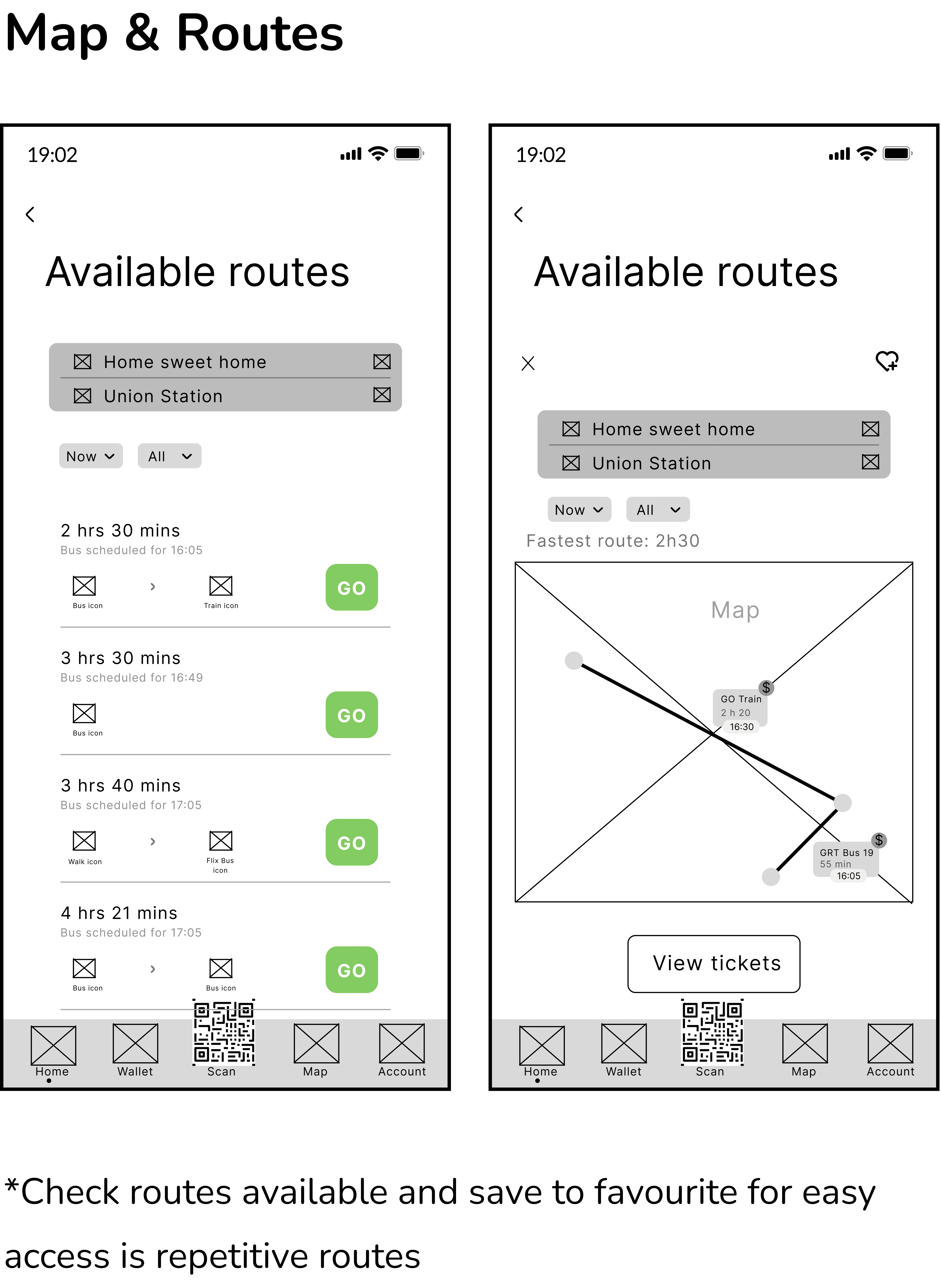
Trips page: Routes display travel times and to simplify daily commuting, users can save preferred routes, stations, and destinations in their favourites section. Frequent trips appear first for quick access, saving time and improving engagement.

Redeeming points page: I designed a gamified system that converts miles into milestones. By turning sustainable travel into a rewarding challenge, we helped users build lasting eco-friendly habits.
Home page: The homepage gives users a personalized overview of their eco-journey, displaying upcoming trips, total points earned, and carbon savings in one glance.
What I learned
Designing for behaviour: aligning user incentives with environmental goals can bridge the "Intent-Action Gap," by transforming a chore into a reward
Prioritizing glanceable UX: Designing for stressful transit environments taught me to prioritize information hierarchy: balancing data with cognitive ease
Thank you for reading!