CLIENT
Academic partner
Role
UX/UI Designer
Team size
5 Multi-disciplinary members
Timeline
3 months
Tools
Figma, FigJam, Illustrator
Overview
My contribution:
My role as a user experience & visual designer was to
Leadership: managed 8 weekly team syncs, managing the timeline for a team of 5 multidisciplinary members
User research & synthesis: Conducted competitive audits and secondary research on 4 major platforms, identifying the need for sustainable "Food Habit" tracking for young adults.
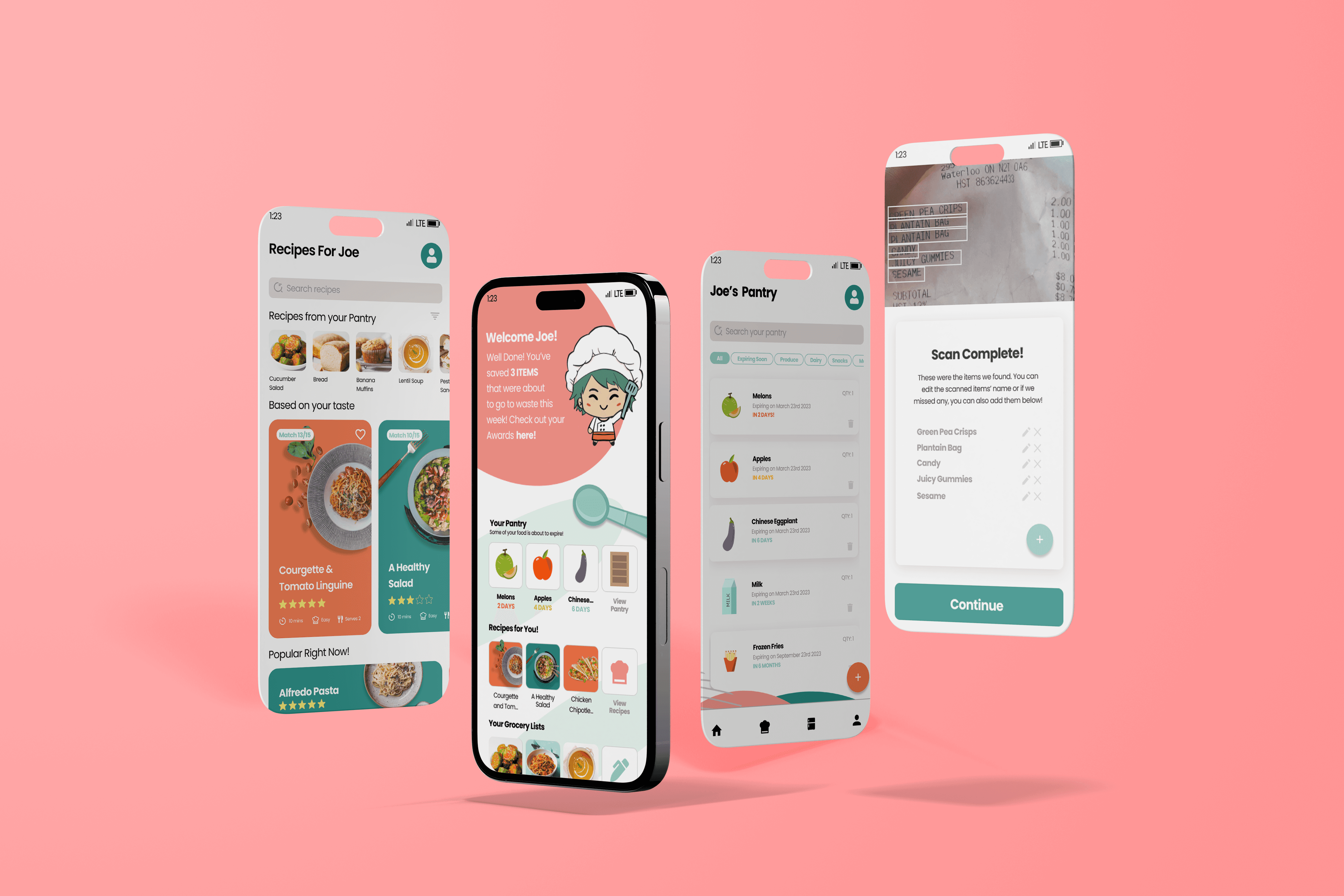
end-to-end design: Designed 30+ interactive screens, scaling from lo-fi wireframes to a hi-fi prototype featuring a pantry Tracker and AI Recipe recommender.
Usability testing: Facilitated moderated sessions using Think Aloud Protocols; identified and resolved "Severity 5" navigation errors and icon confusion.
Accessibility: Refined the visual hierarchy for WCAG compliance
Can we solve the "Hidden" waste crisis?
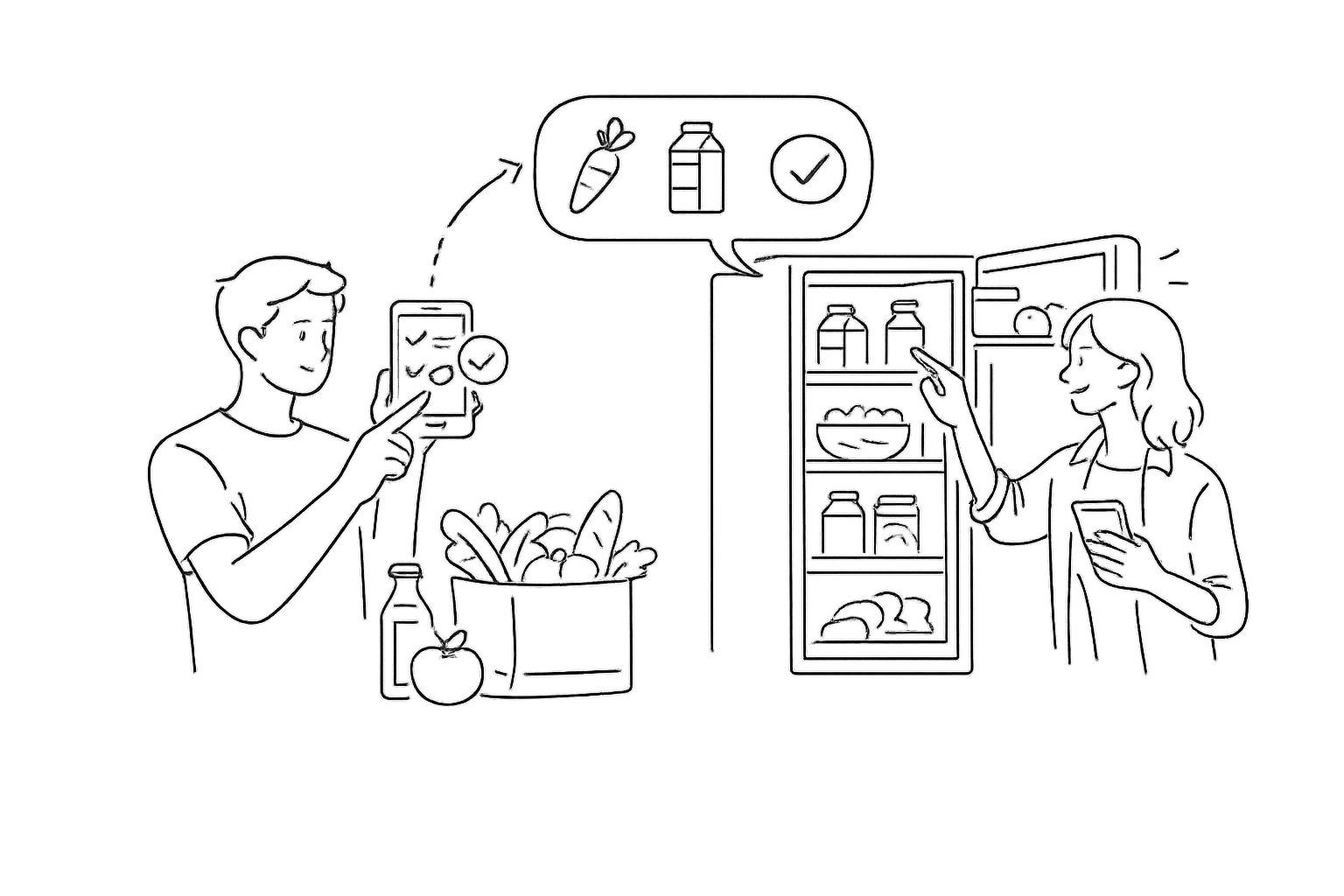
Young adults often have the intent to be sustainable but lack the organizational experience to manage a kitchen effectively. PanDora is designed to bridge the gap between "buying groceries" and "actually eating them." By providing transparency into what a user already owns, we transform the kitchen from a place of waste into a streamlined, budget-friendly environment.
Why are 2.3 million tonnes of food wasted annually?
I led the user demographics research, where I identified the "Dining Hall Gap," the struggle students face when transitioning to independent meal planning. I also uncovered "Inventory Blindness" via survey analysis, which directly inspired our expiry notification feature.
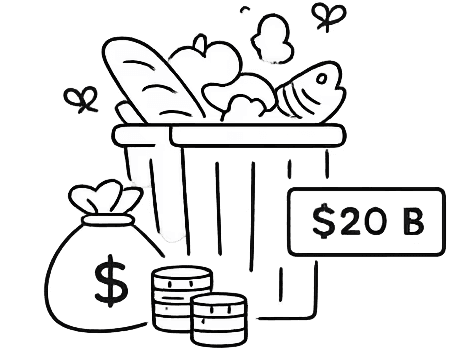
The scale of waste: Canada discards 2.3 million tonnes of edible food each year—a $20 billion loss
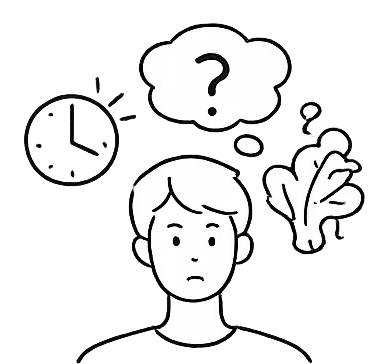
The inexperience factor: Research indicates young adults waste food because they lack experience managing perishables
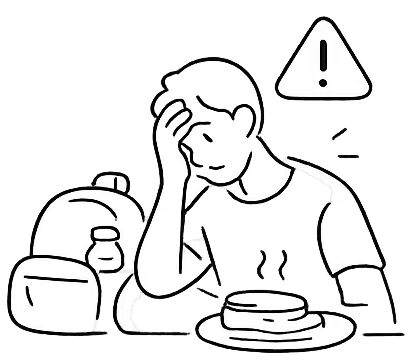
Student crisis: 30-40% of students face food insecurity, the need to maximize every grocery item is a financial necessity
User surveys & interviews
We surveyed (n=30), and interviewed (n=10) students to pinpoint how financial constraints and shopping habits drive household food waste.
So we asked ourselves,
How might we create a lightweight system that bridges the gap between grocery purchase and actual consumption?

Shifting from "Shopping" to "Utilizing"
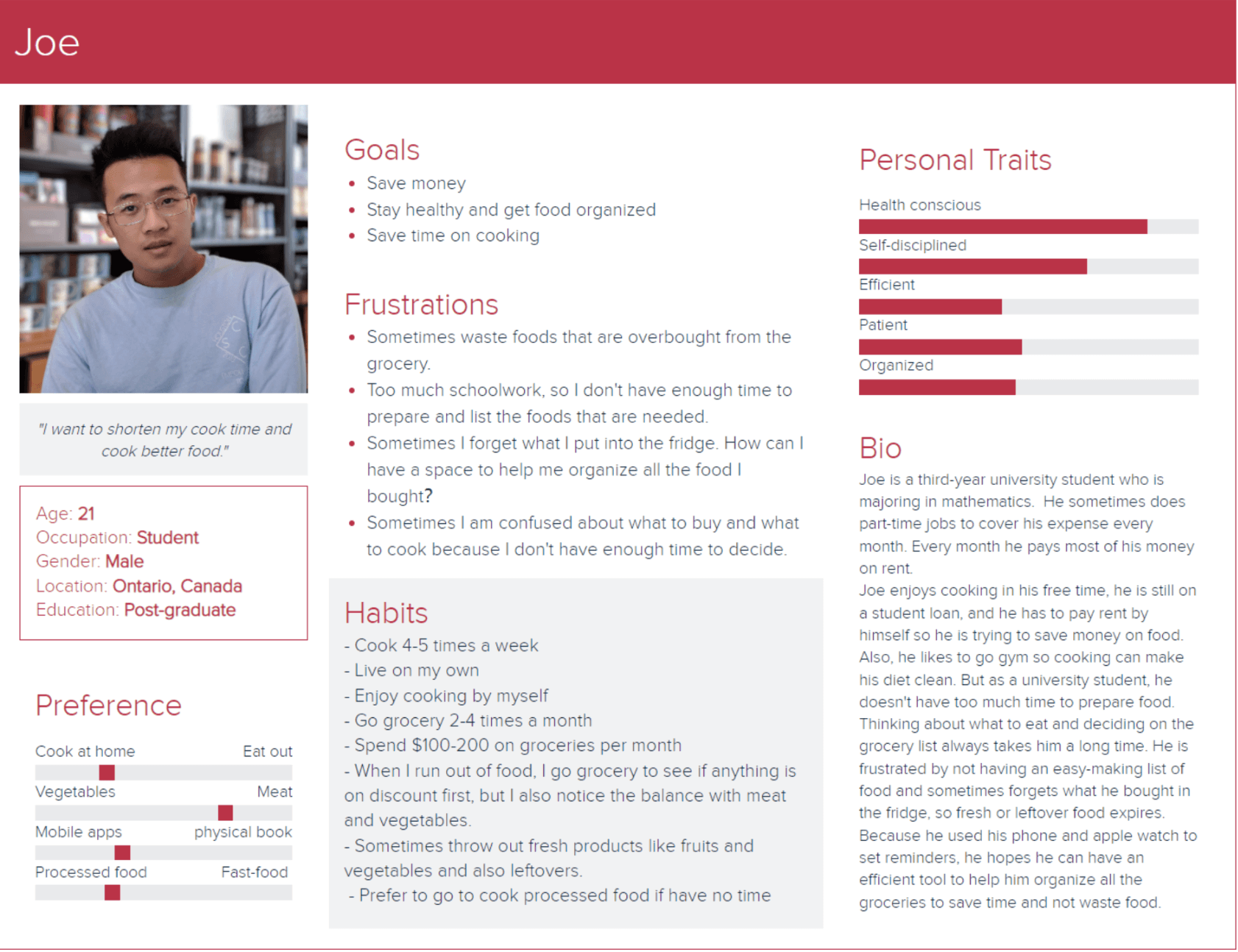
Introducing PanDora: Inventory Awareness, Simplified
Rather than building a traditional recipe app, I developed a system that prioritizes existing inventory to reduce unnecessary spending.
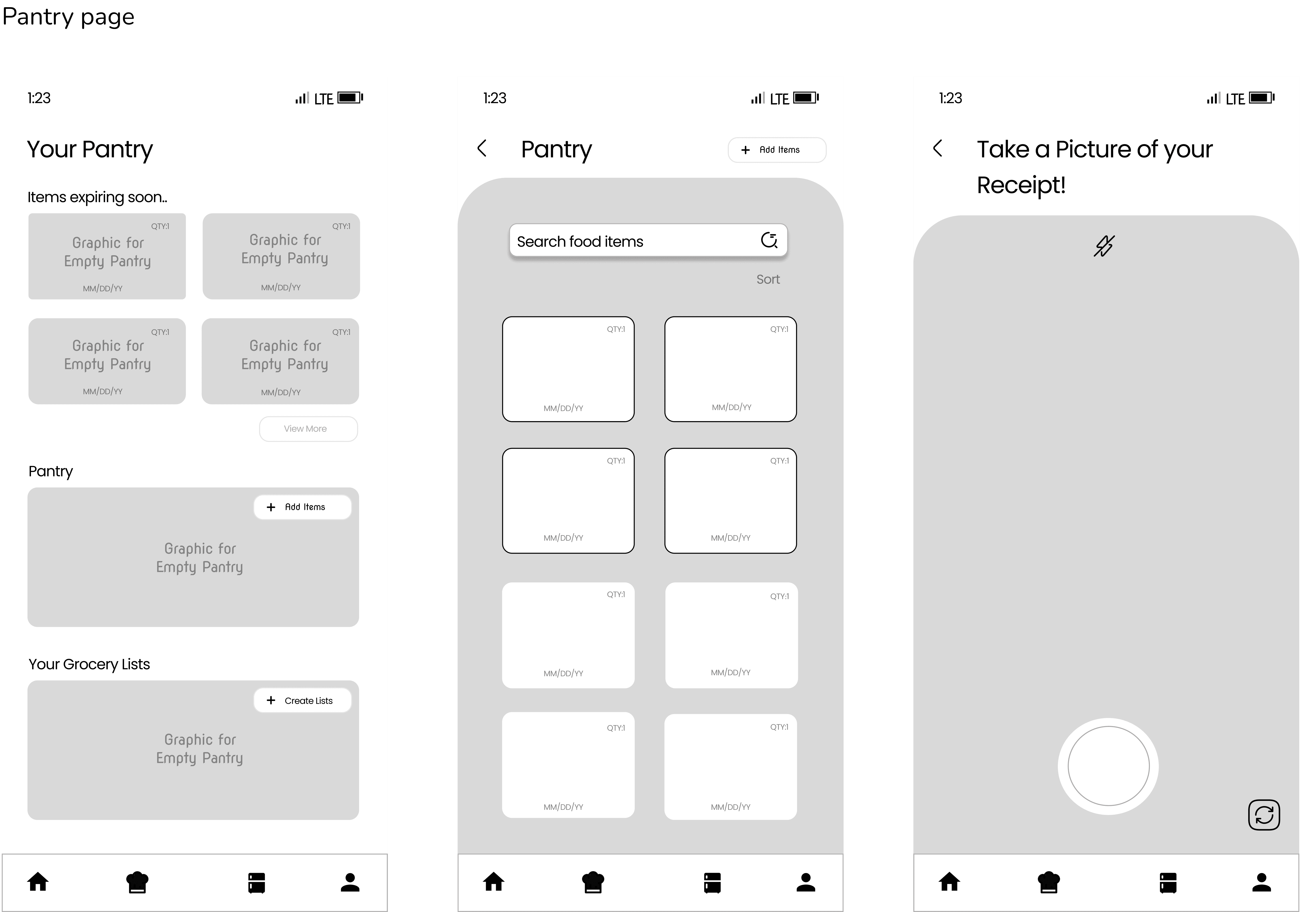
Pantry-first Logic: I created an inventory system that flags expiring items, moving urgent ingredients to the top of the user’s mind.
Resource-based Recipes: I designed a recommendation engine that suggests meals based strictly on what is in the user's fridge—turning "scraps" into nutritious dinner.
The reward loop: To keep users motivated, I proposed an awards system that tracks "saved food" milestones, turning sustainability into a positive achievement.
User testing & feedback
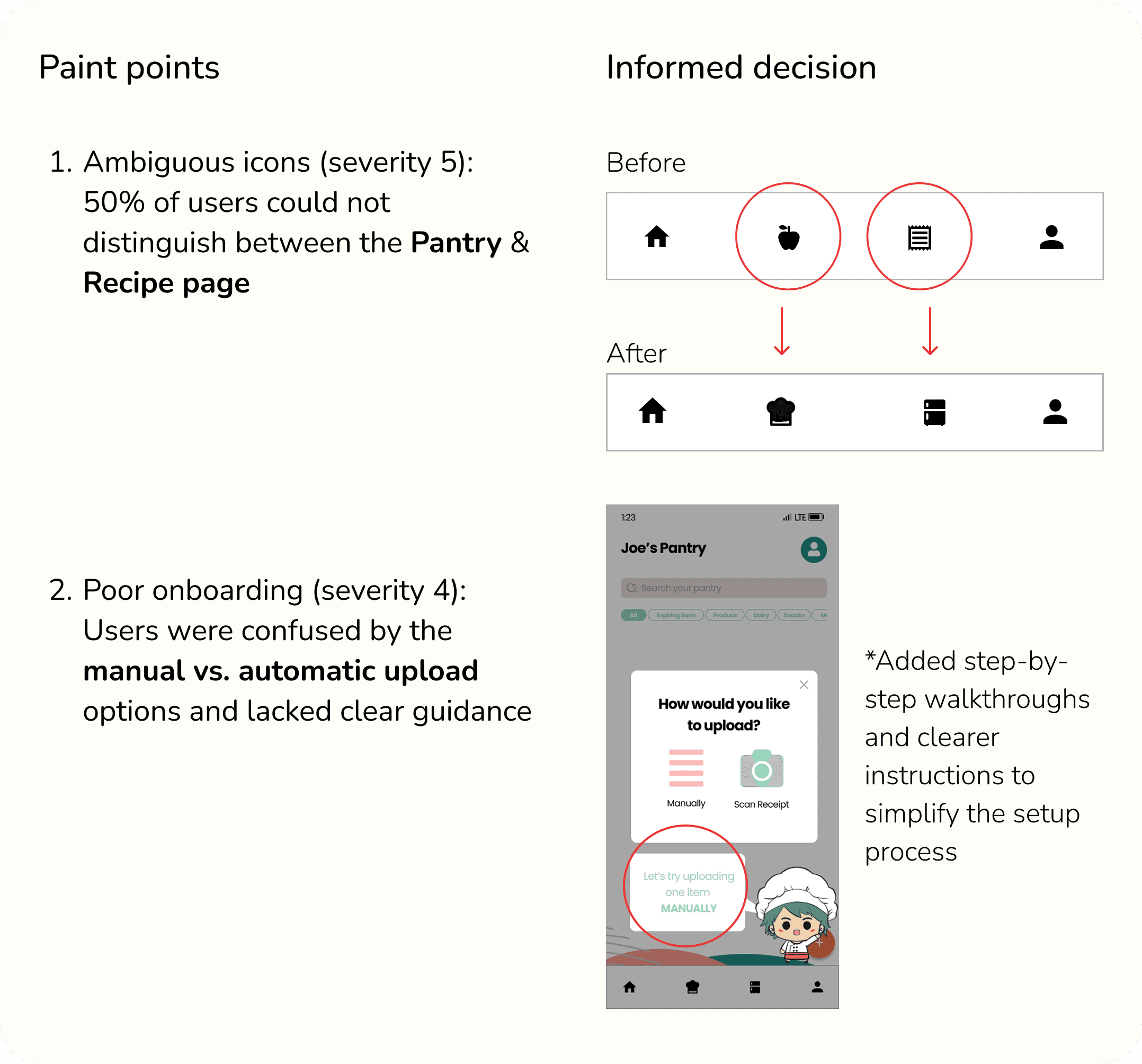
I conducted usability testing across early wireframes and mid-fidelity prototypes. During usability testing, I used a 5-point Severity Scale to identify and fix critical friction points.
The navigation pivot (Severity 5):
50% of users could not distinguish between the "Pantry" and "Recipe" icons. I redesigned these glyphs to be more distinct, using a fridge icon for the pantry to improve global navigation.
The language overhaul (Severity 4):
Users felt "judged" by aggressive expiry alerts. I rewrote the micro-copy to be supportive, replacing demanding text with encouraging tips like "Perhaps try this next time".
Readability fixes (Severity 2):
Testing showed that some fonts were "too light". I darkened the typography and the "Add Item" button to ensure high visibility in bright kitchen settings.
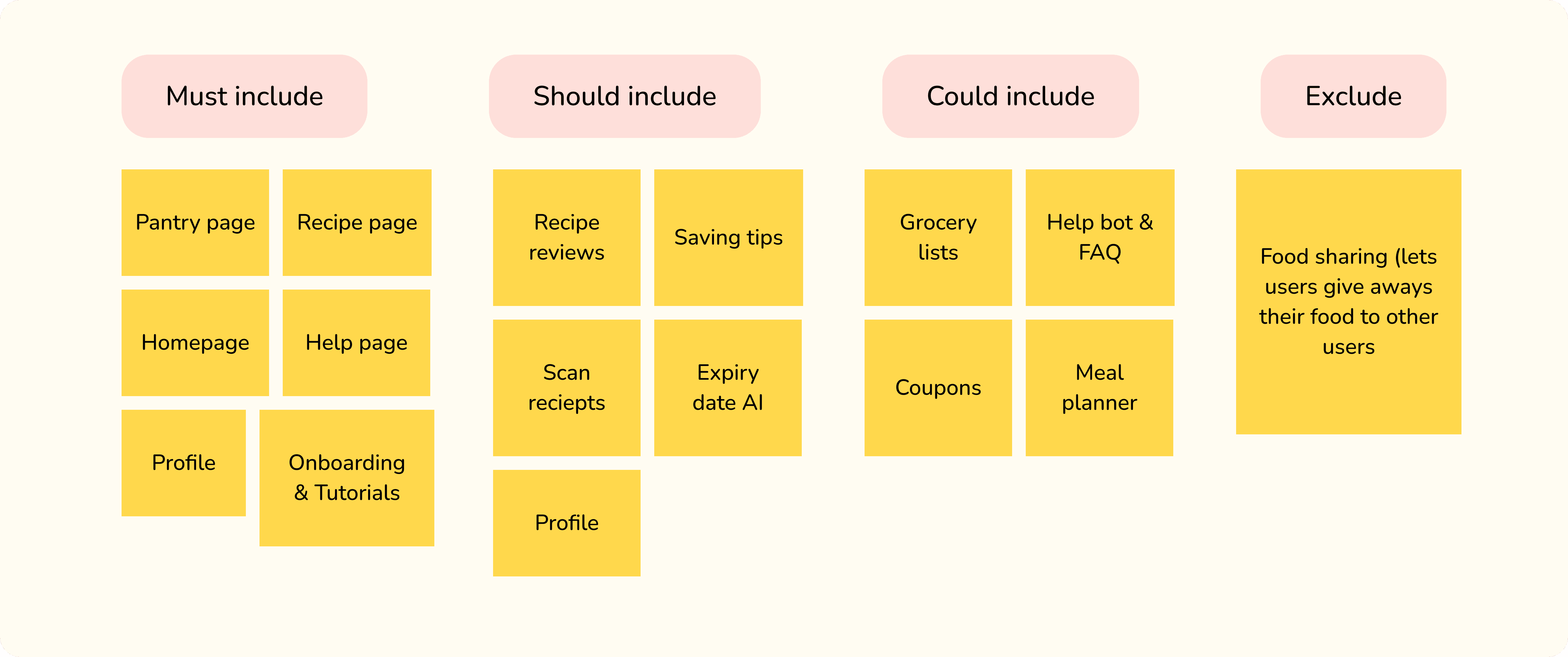
Feature mapping
We prioritized features using the MoSCoW method (Must, Should, Could, Exclude) to balance user value with our freemium model. I was responsible for the high-fidelity wireframes of the pantry tracker, focusing on the expiry date alert system. This process ensured our final feature set remained focused on our core mission.
Low-fidelity wireframes
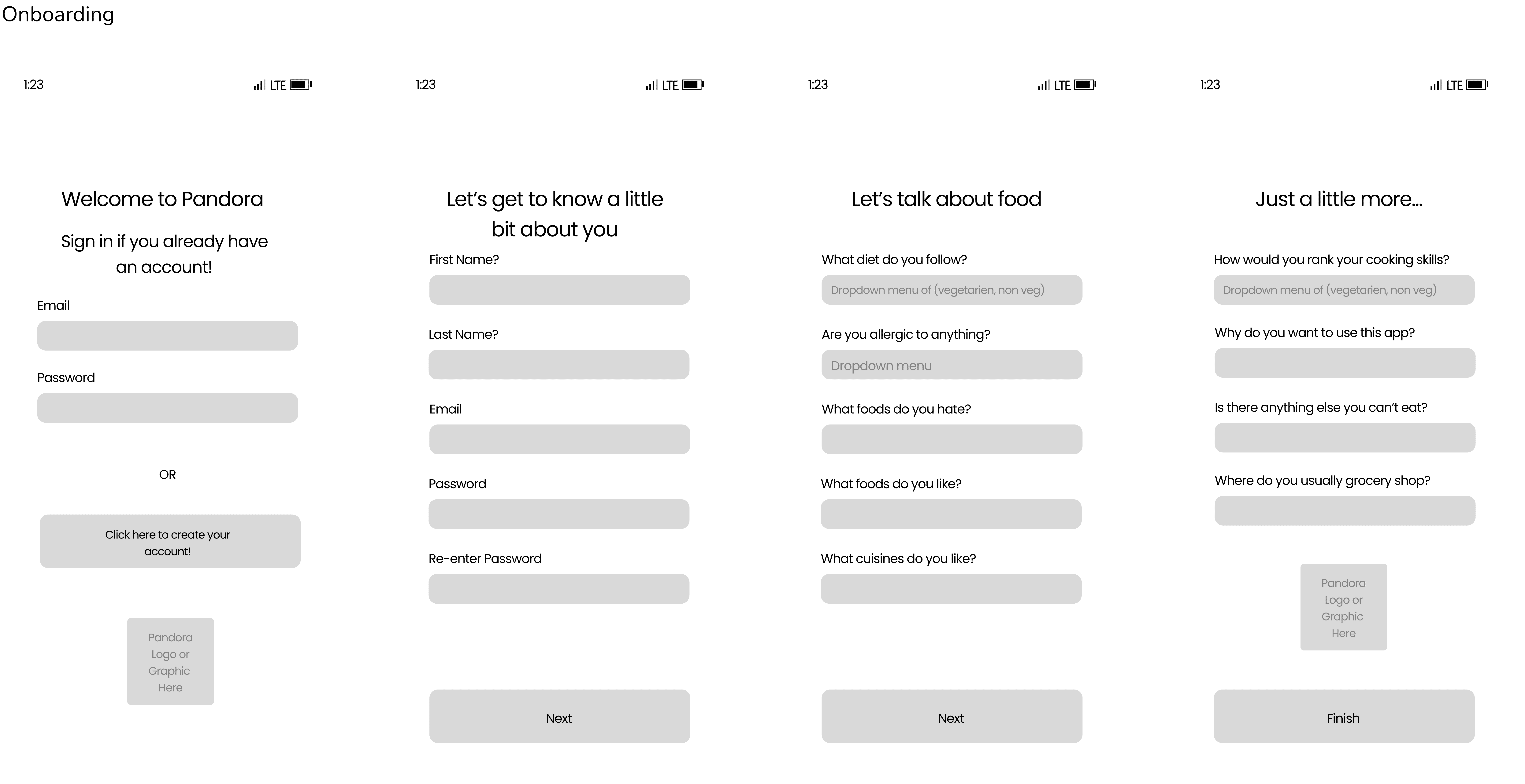
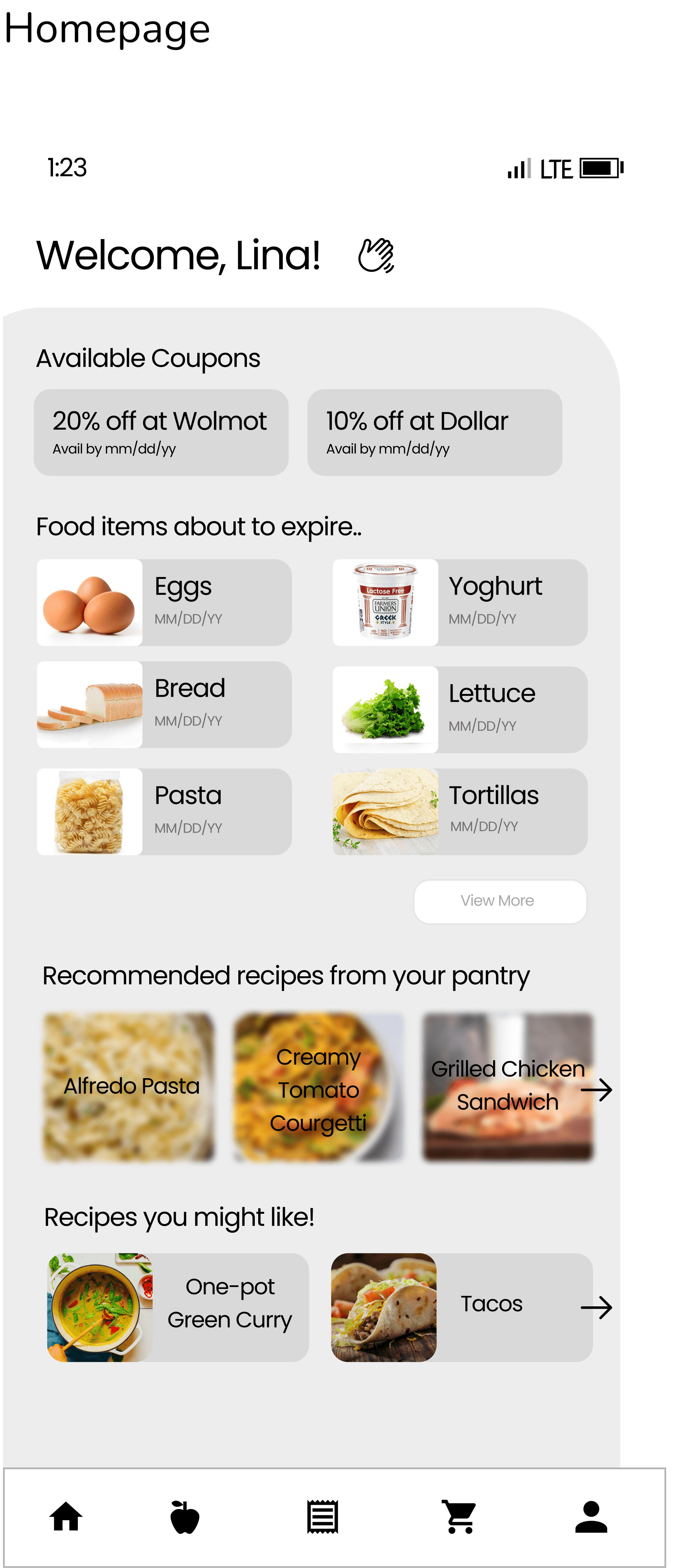
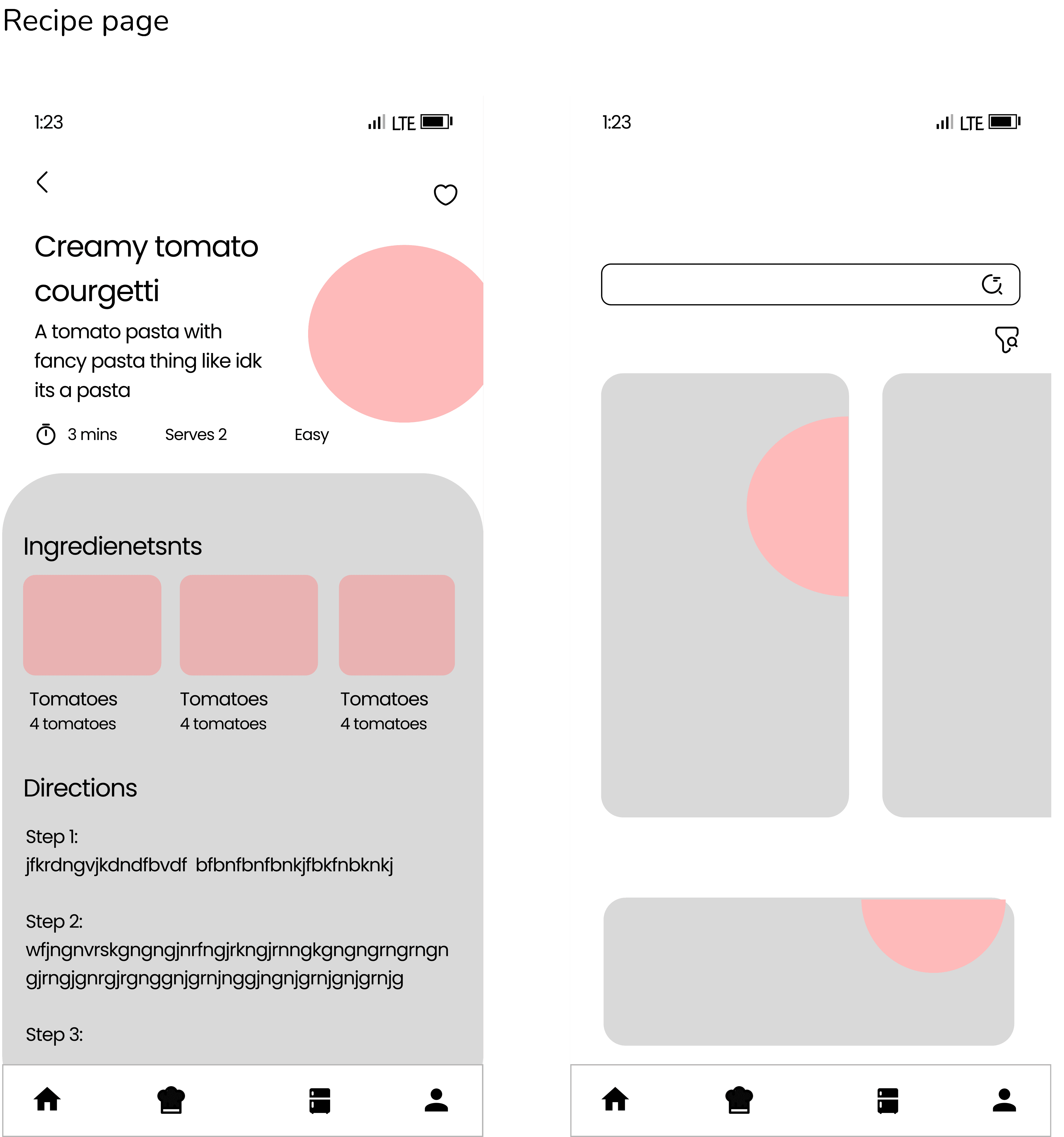
Our team used Crazy 8s brainstorming to sketch out rapid solutions for the Pantry and Recipe screens. We then translated the strongest ideas into wireframes. Our research guided our layout decisions and shaped the app’s visual hierarchy for accessibility and ease of scanning.
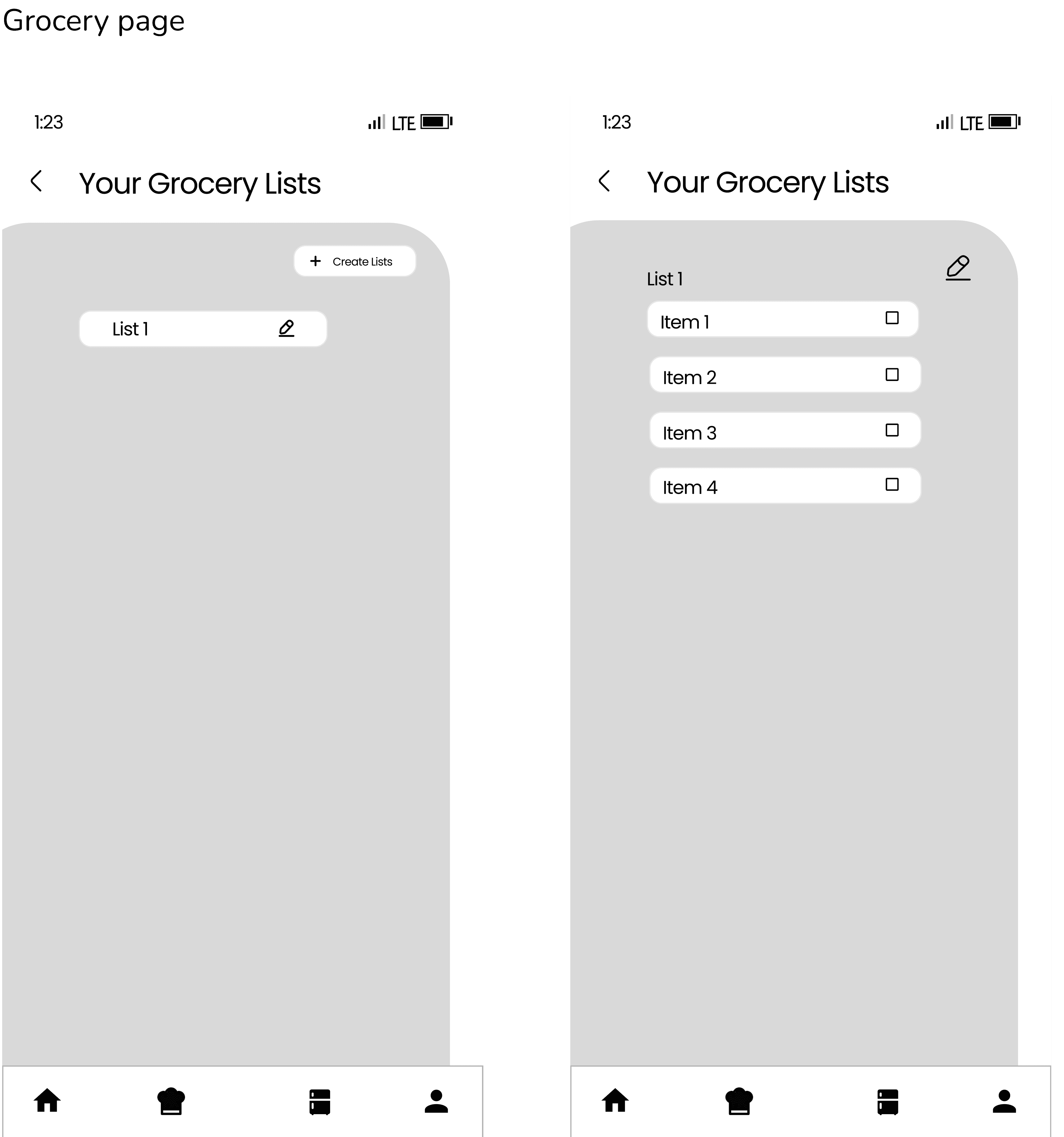
Design system: a sneak peek

PanDora from a concept into a viable business
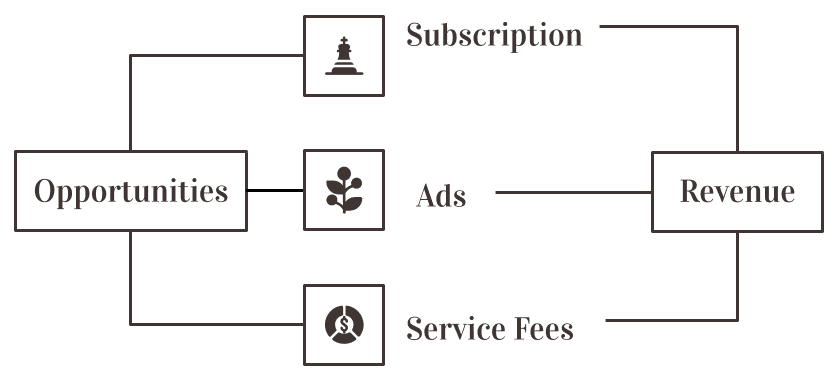
I transformed PanDora from a concept into a viable business by balancing social impact with a strategic growth plan:
Monetization: I proposed a Freemium model using tiered subscriptions, non-intrusive ads, and service fees from grocery integrations to ensure long-term revenue.
Market Fit: I positioned the app as an essential tool for economic resilience, helping users combat food inflation and rising living costs.
Retention: I designed a reward system for zero-waste habits to drive long-term loyalty and turn sustainable actions into a daily lifestyle.
Auto entry flow: I designed a gamified system that converts miles into milestones. By turning sustainable travel into a rewarding challenge, we helped users build lasting eco-friendly habits.
Recipe page: Routes display travel times and to simplify daily commuting, users can save preferred routes, stations, and destinations in their favourites section. Frequent trips appear first for quick access, saving time and improving engagement.
Recipe page: Routes display travel times and to simplify daily commuting, users can save preferred routes, stations, and destinations in their favourites section. Frequent trips appear first for quick access, saving time and improving engagement.
Home page: The homepage gives users a personalized overview of their eco-journey, displaying upcoming trips, total points earned, and carbon savings in one glance.
What I learned
Designing for behaviour: aligning user incentives with environmental goals can bridge the "Intent-Action Gap," by transforming a chore into a reward
Prioritizing glanceable UX: Designing for stressful transit environments taught me to prioritize information hierarchy: balancing data with cognitive ease
Thank you for reading!